
Our local area (the area where we work) is situated in the north of Le Marche, a region in central Italy. The area stretches from the Adriatic to the Apennines and includes the Province of Pesaro-Urbino and part of the Province of Ancona. It also includes Montefeltro, an area which historically has always been part of Le Marche and now forms part of the Province of Rimini (Regione Emilia-Romagna)

The area has a rich historical and artistic heritage. The outstanding aspects of its vibrant cultural life include music events (the Rossini Opera Festival), the historic University of Urbino, the network of museums and historic theatres.
The environment:

The sea and the coast
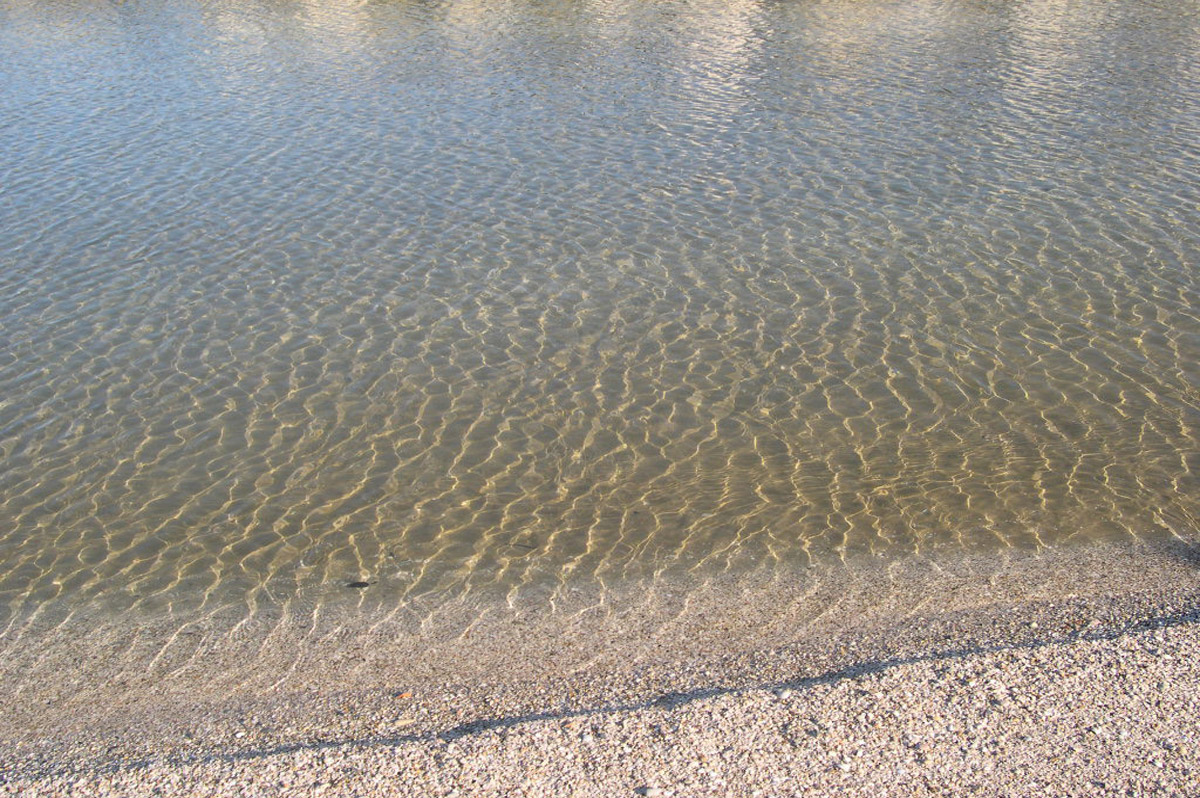
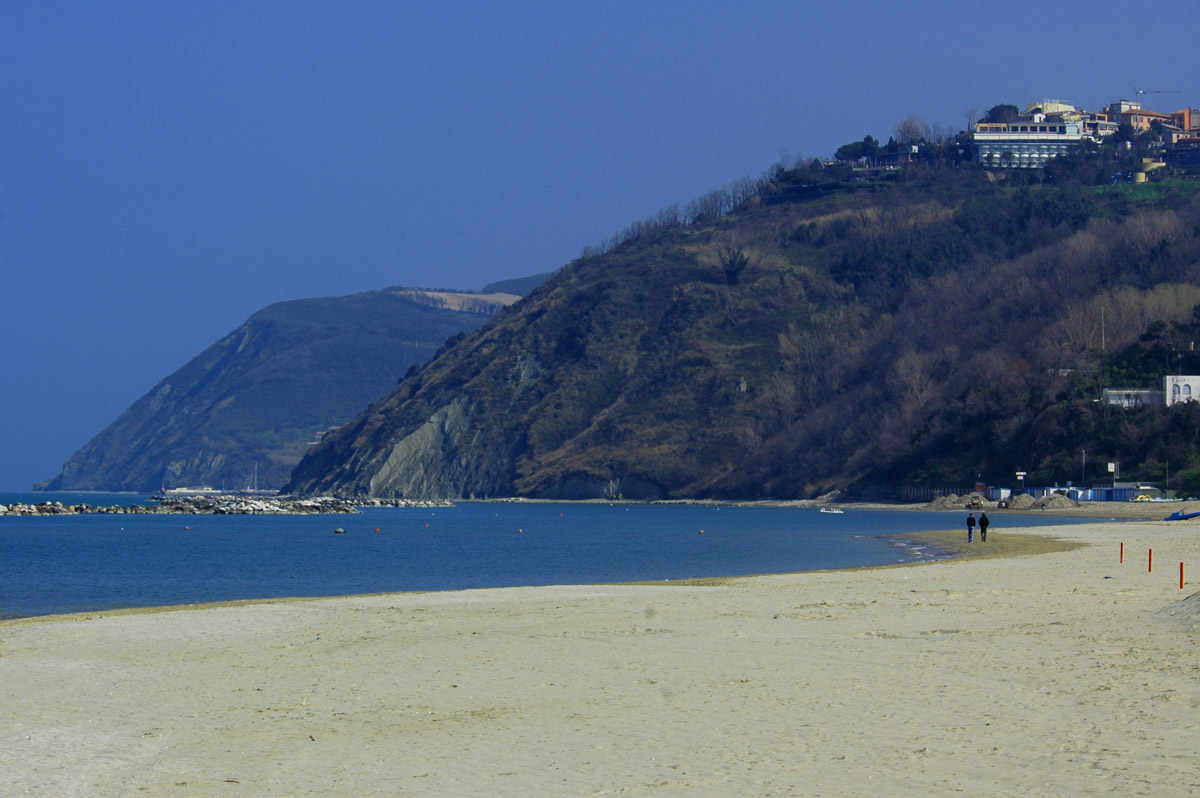
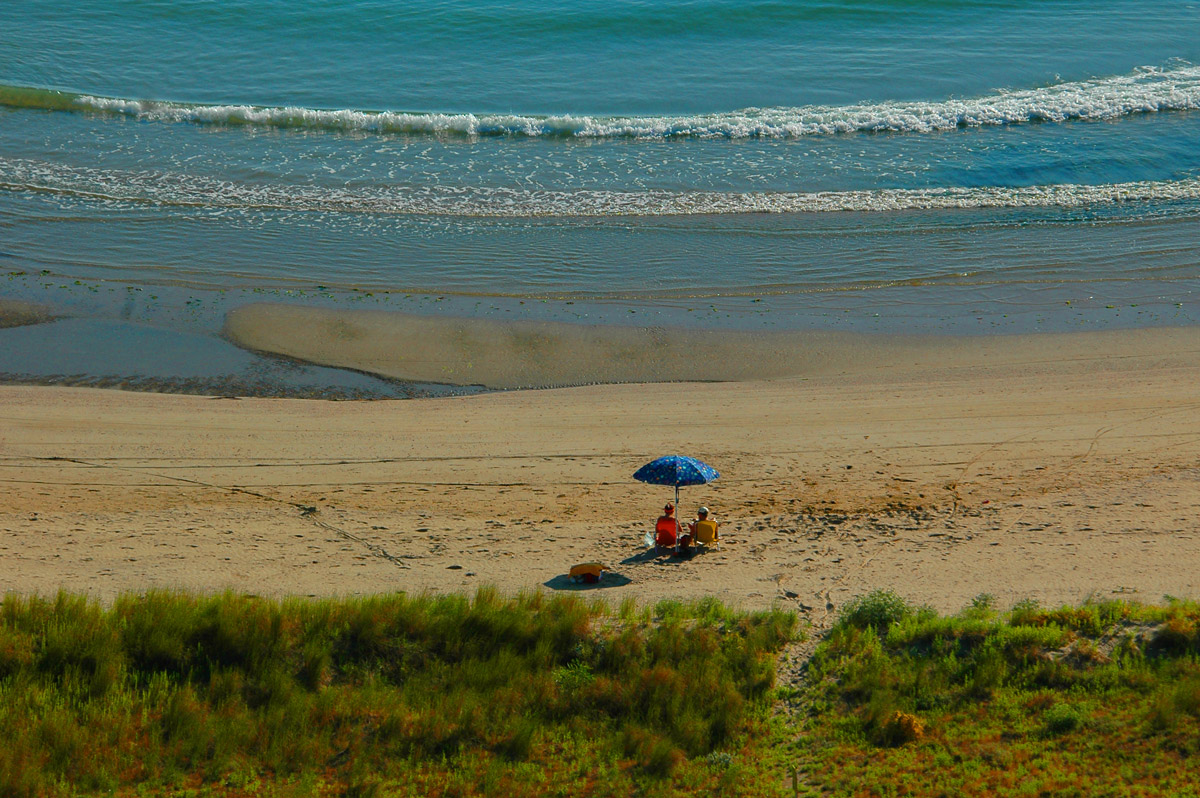
The coastline generally displays the typical features of the Italian stretch of the Adriatic coast: sandy beaches, dune vegetation with shallow sea beds close to the shore which offers the ideal conditions for safe swimming. Further north, Mount San Bartolo, with its sheer cliffs rising sheer above the sea, is a special area of the Adriatic coast which has been officially protected as a regional park. The park area contains old towns and villages worth visiting, with restaurants and accommodation facilities, and paths running along the ridge, through its woods and down to the sea. The coast is dotted with ports such as Pesaro, Fano and Senigallia and the small tourist port of Vallugola in the park of San Bartolo. Fano has a modern yacht harbour although it still preserves an area for fishing boats. Fishing boats are also moored at the port of Pesaro and fish can be bought in the morning from stalls on the quay. The sandy beaches have lidos, small restaurants, bars and sports clubs; there are parts of the beach without special facilities and free access for the public though lifeguards ensure safety for swimmers during the summer months. If you get up early on a summer morning, you can see the sun rise over the sea but in June, from the port of Pesaro you can see the sun set in the sea due to the special form of the coastline.
The hills
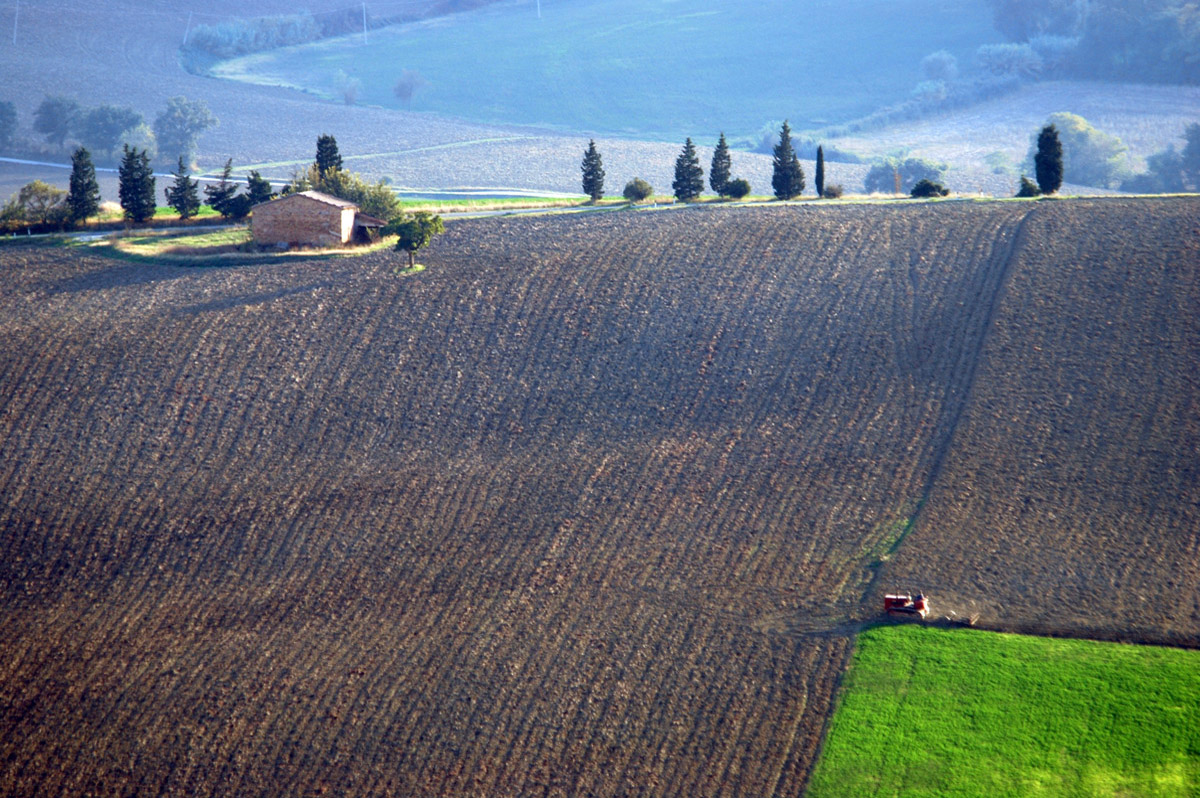
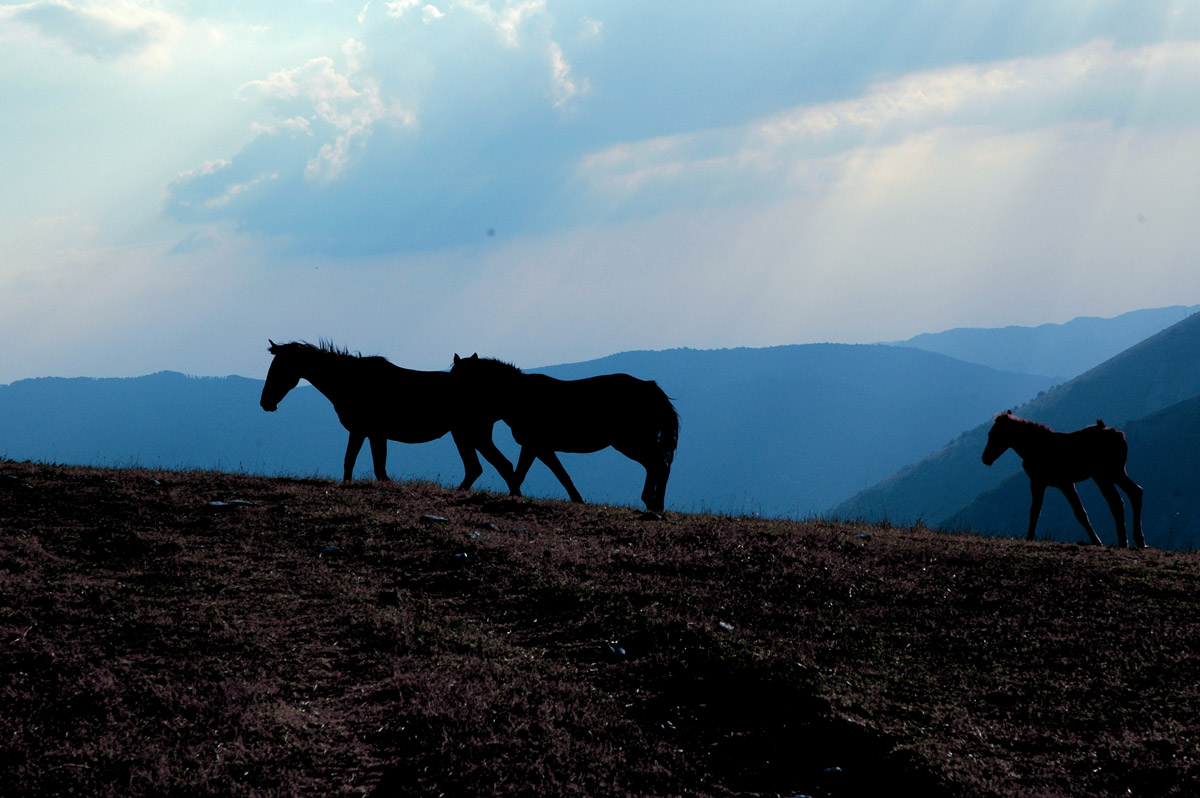
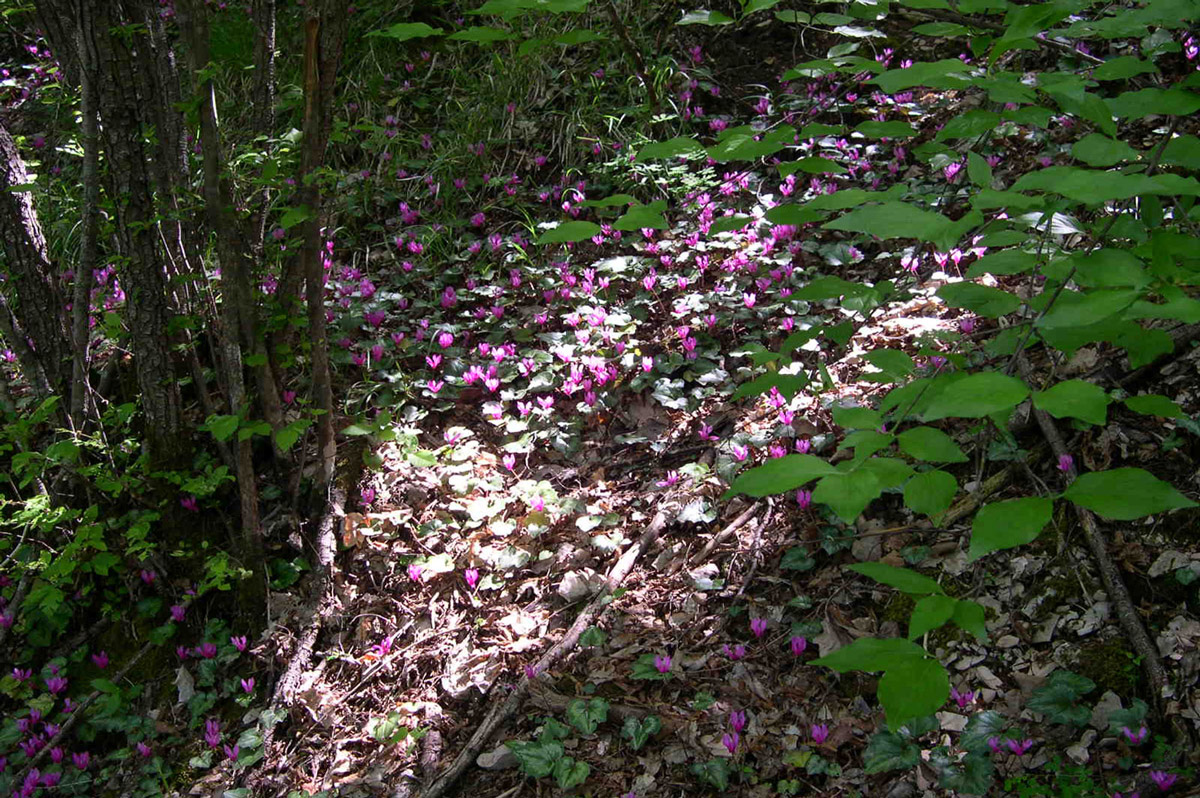
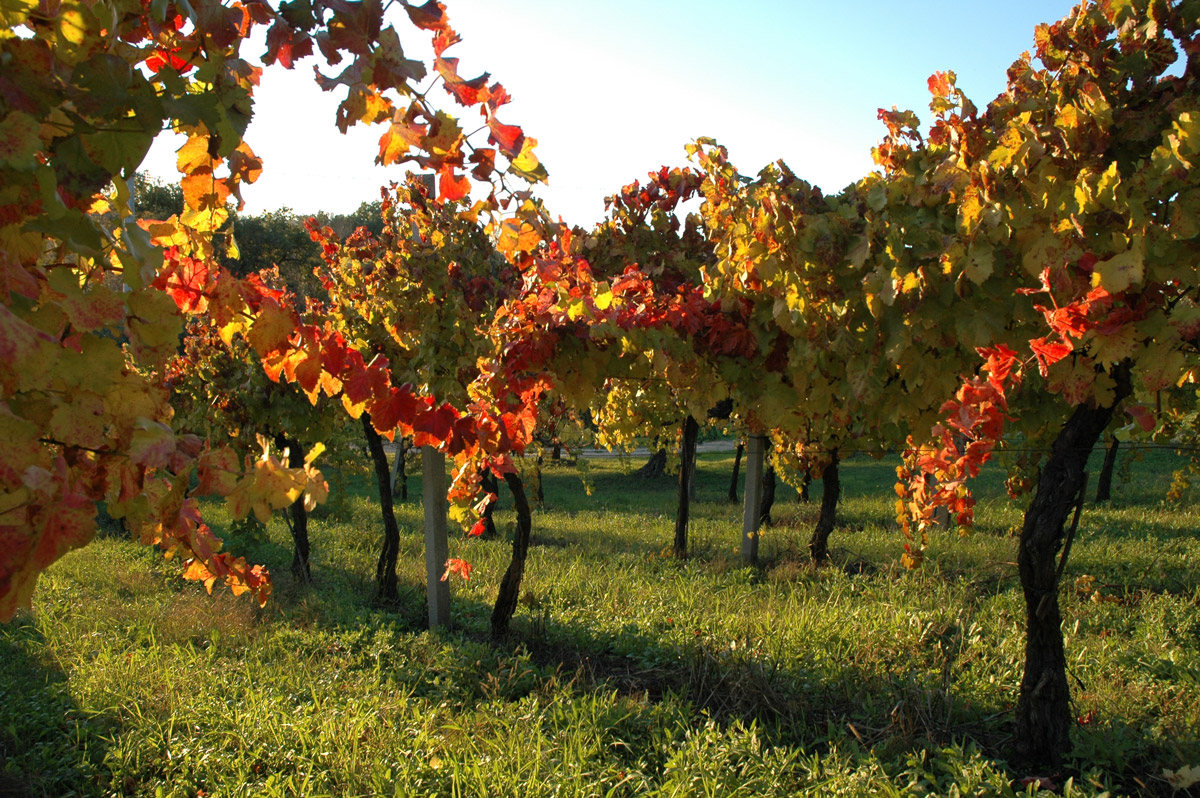
Most of the area consists of hills that slope down gently towards the coast and more rugged hills further inland. The coastal area is cultivated and also includes vineyards and olive groves. The inland area is mainly dominated by woodland. The valleys lie perpendicular to the coast with rivers that flow directly from the Apennines. The area still provides an excellent habitat for wildlife and plants: large mammals such as deer and small mammals like foxes and porcupines, birds of prey and migratory birds, native plants and trees (oak, hawthorn, cyclamen etc.). The hilltop towns were built in medieval times to provide greater safety for local populations. The settlements in the valley are much more recent and mainly consist of industrial estates.
Mountains
Further inland, the Apennines include the massif of Mount Catria, Monte Nerone and Mount Carpegna. The massif of Mount Paganuccio, with the gorge of Furlo, lies between the coast and the Apennines. The city of Urbino is situated in the first range of mountain while the valleys of the Foglia, Metauro, Cesano, Misa, Conca and Marecchia rivers are dotted with towns and villages of medieval origin.
Parks and protected areas
Three areas of special environmental and natural importance have been designated into parks:
The Nature Reserve of Mount San Bartolo (see link:parcosanbartolo.it ) extends over an area of 1600 hectares between Gabicce Mare and Pesaro. It has cliffs rising sheer above the sea and a few steep roads provide the only access to the area. In June the yellow blossom of broom reaches as far as the coast, creating a stunning sea of colour between the green meadows and cultivated fields. The park is dotted with small towns and villages that were once inhabited by fishermen.
The Interregional Nature Reserve of Sasso Simone and Simoncello (see link: sassosimone.it, situated in the area of Montefeltro, is of special geological interest. The protected area contains ancient pine, oak and fir trees which grow around the ruins of medieval forts and castles. It is a paradise for walkers and hikers.
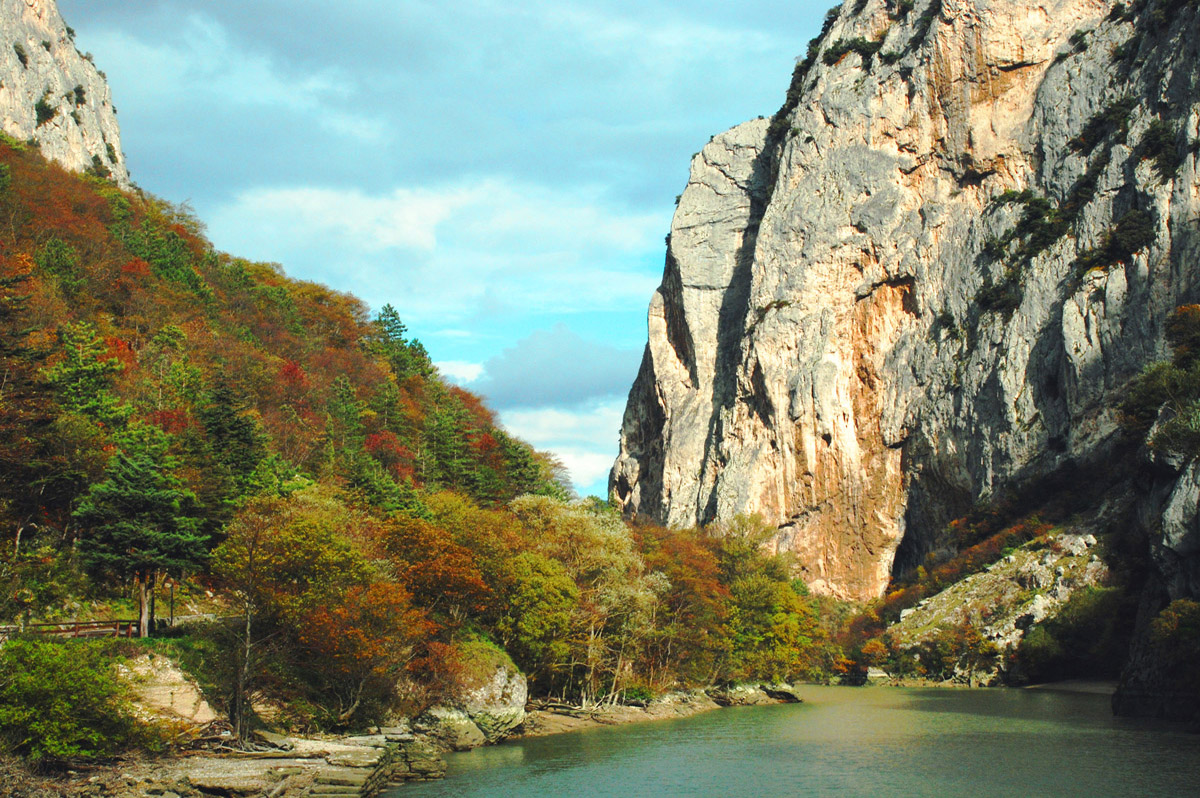
The State Nature Reserve of the Furlo Gorge (see link: riservagoladelfurlo.it is a natural gorge. The Candigliano river runs through the gorge and has been dammed to create an artificial lake in the valley floor. Trips with expert guides are available. It is possible to see eagles and observe protected alpine plant species, and there is also an opportunity to visit the small natural history museum with an extensive collection of fossils.